
Cybersecurity

eDiscovery and Information Governance Must Read

HaystackID earns Band 2 rankings in two 2026 Chambers guides

HaystackID advanced to Band 2 in the 2026 Chambers Crisis & Risk Management Guide and maintained Band 2 in the Chambers Litigation Support Guide, extending a nine-year recognition run. The rankings reflect growing overlap between cyber incident response, privacy review, regulatory disclosure and litigation support, as legal and compliance teams increasingly seek providers that can combine speed, technical depth and defensible workflows under one roof.

HaystackID earns Band 2 rankings in two 2026 Chambers guides Read More »

AI and Advanced Technologies Must Read

At LegalTechTalk, the password is blueberry hot dogs

At LegalTechTalk London, HaystackID’s John Wilson and Cyril Amarchand Mangaldas’ Komal Gupta examined how deepfakes, business email compromise, and weak cyber governance can converge into multimillion-dollar losses. Their practical message: rehearse response plans, share cyber risk across functions, and use verbal-only challenge phrases before approving high-risk decisions.

At LegalTechTalk, the password is blueberry hot dogs Read More »

Cyber Discovery and Cybersecurity

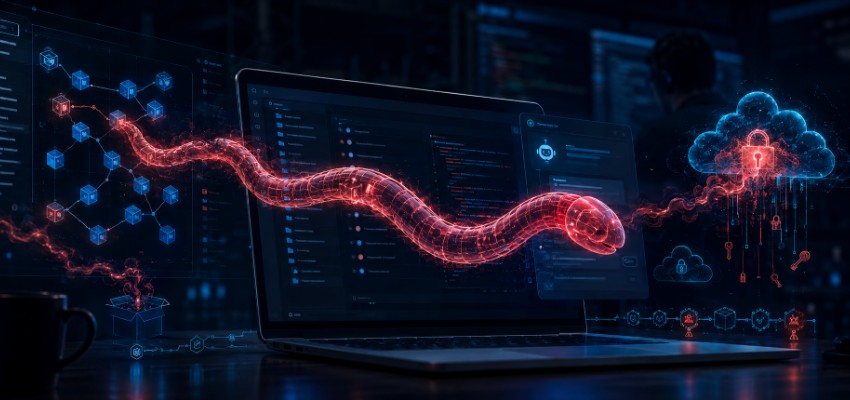
When the worm targets the assistant: Miasma turns AI coding agents into the trigger

GitHub disabled 73 Microsoft repositories after the Miasma campaign re-compromised Azure’s durabletask project, while researchers separately documented Miasma payloads that can detonate when developers open affected repositories in AI coding agents such as Claude Code and Cursor. Here is how the campaign spreads and what security, compliance and eDiscovery teams should do now.

When the worm targets the assistant: Miasma turns AI coding agents into the trigger Read More »

AI and Advanced Technologies Must Read

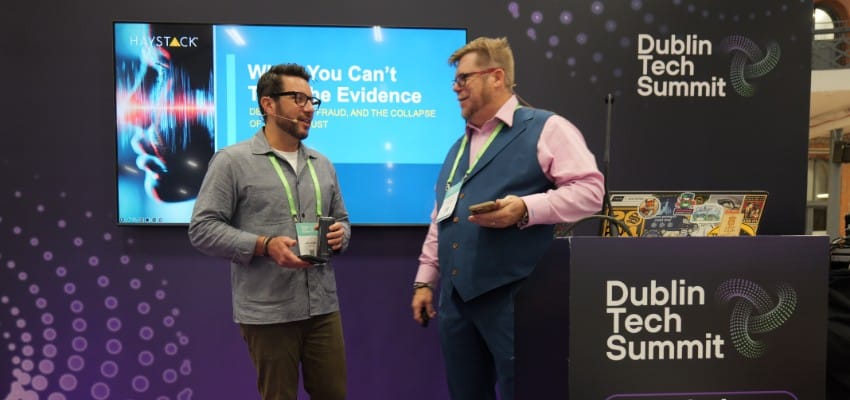
When you can’t trust the evidence: deepfakes force a forensic reckoning in Dublin

At the Dublin Tech Summit, two HaystackID forensics leaders argued that deepfakes have broken the 30-year-old integrity test for digital evidence, and laid out a 90-day plan for proving authenticity under the EU AI Act, NIS2, DORA and the proposed Rule 707.

When you can’t trust the evidence: deepfakes force a forensic reckoning in Dublin Read More »

AI and Advanced Technologies

AI in Cybersecurity Moves from Promise to Proof as WEF and KPMG Track Defender Gains

Artificial intelligence is moving from promise to proof in cybersecurity. Organizations using AI extensively in security have cut average breach costs by $1.9 million and shortened breach lifecycles by about 80 days, according to data anchoring a new World Economic

AI in Cybersecurity Moves from Promise to Proof as WEF and KPMG Track Defender Gains Read More »

Cyber Discovery and Cybersecurity Must Read

A 48-Month Federal Benchmark Resets the Incident-Response Insider Question

Two former cybersecurity professionals, one from Sygnia and one from DigitalMint, were sentenced April 30 to four years each for running BlackCat ransomware against U.S. companies — the first federal prison term in this country for an incident-response and ransomware-negotiation insider conspiracy.

A 48-Month Federal Benchmark Resets the Incident-Response Insider Question Read More »

Cyber Discovery and Cybersecurity Must Read

The DOJ’s Cyber FCA Playbook Is Working as Enforcement Triples and Shows No Signs of Slowing

: The DOJ secured $52 million across nine cybersecurity-related False Claims Act settlements in FY 2025, tripling the prior pace and establishing cyber FCA enforcement as an operational program — with private equity firms, medical device makers, and defense subcontractors now in the crosshairs.

The DOJ’s Cyber FCA Playbook Is Working as Enforcement Triples and Shows No Signs of Slowing Read More »

Cyber Discovery and Cybersecurity

Twenty-Two Seconds to Hand-Off: Inside Mandiant’s M-Trends 2026 Findings

Mandiant’s latest M-Trends report describes a threat landscape where access can change hands inside a compromised network in just 22 seconds and where ransomware crews now begin by targeting the systems that govern recovery. As AI reshapes both attack and defense, cybersecurity, information governance, and eDiscovery professionals are being forced to rethink how they detect intrusions, preserve evidence, and explain their decisions under scrutiny.

Twenty-Two Seconds to Hand-Off: Inside Mandiant’s M-Trends 2026 Findings Read More »

Reports and Research

A Complete Analysis of the Winter 2026 eDiscovery Pricing Survey

Generative AI is beginning to materially reshape eDiscovery economics, but pricing maturity has not kept pace with adoption. The Winter 2026 eDiscovery Pricing Survey shows stable benchmarks for forensic collection and hosting, persistent opacity in document review billing, and an emerging $0.11 to $0.50 per-document pricing zone for GenAI-assisted review that could challenge traditional review models.

A Complete Analysis of the Winter 2026 eDiscovery Pricing Survey Read More »

Cyber Discovery and Cybersecurity

The Algorithmic Guardrail: National Defense in the Age of Autonomous Risk

Autonomous code is quietly taking a seat at the national security table. The 3rd Edition of the Guide to Developing a National Cybersecurity Strategy is an attempt to build guardrails around this machine-driven reality—and to spell out what “acceptable” risk looks like

The Algorithmic Guardrail: National Defense in the Age of Autonomous Risk Read More »